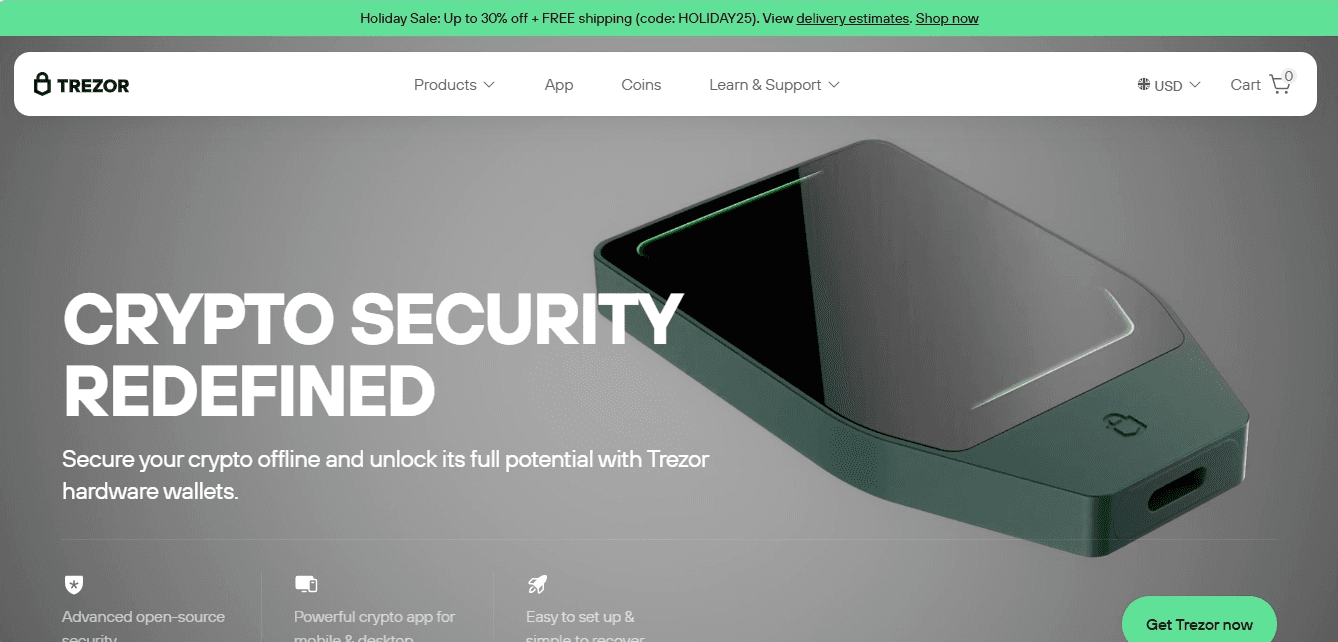
Get Started with Your Trezor Device
Welcome to trezor.io/start, the official guide for starting your journey with a Trezor hardware wallet. Trezor devices are designed to give you full control over your cryptocurrency while keeping your private keys secure. Whether you are new to digital assets or have experience with blockchain technology, this guide will help you understand how Trezor works, how to set it up safely, and best practices for managing your crypto.
A Trezor hardware wallet protects your private keys by keeping them offline, reducing exposure to hacking, malware, or other online threats. By combining secure hardware with Trezor’s software tools, you can manage supported cryptocurrencies safely and confidently.
Understanding Trezor Hardware Wallets
A Trezor device is a type of hardware wallet. Hardware wallets store private keys—the most important part of cryptocurrency security—on a secure device rather than on an internet-connected computer or phone. Private keys are what allow you to send, receive, and manage your crypto assets. If these keys are lost or stolen, access to your crypto may be permanently lost.
Unlike software wallets or exchange wallets, which store keys online, Trezor keeps your keys offline. Transactions are signed directly on the device, which ensures that your private keys never leave the hardware. Trezor supports a wide range of cryptocurrencies, including Bitcoin, Ethereum, and thousands of other tokens.
Trezor devices are also compatible with Trezor Suite, the official desktop and mobile application for managing accounts, checking balances, sending and receiving crypto, and installing additional features for supported cryptocurrencies.
Why Security Matters in Crypto
When you use cryptocurrency, security is your responsibility. Unlike banks or payment platforms, there is no central authority that can reverse transactions, recover lost funds, or reset accounts. This makes protecting your private keys, recovery seed, and device critical.
Some core aspects of crypto security include:
Private key protection: Keys should never be exposed to online systems or shared with anyone.
Recovery seed safety: The recovery seed is a backup for your wallet. If it is lost or stolen, access to your crypto can be permanently lost.
Device verification: Always confirm that your Trezor device is genuine and purchased from an authorized source.
Phishing awareness: Avoid clicking on suspicious links or sharing sensitive information. Trezor will never ask for your recovery seed or PIN.
Good security practices are just as important as using a hardware wallet. The combination of a secure device and careful habits provides strong protection for your digital assets.
Trezor Suite and Companion Software
Trezor devices work together with Trezor Suite, the official application available on desktop and mobile. Trezor Suite allows you to:
View account balances
Send and receive cryptocurrencies
Install support for additional tokens
Update device firmware securely
Verify transactions on your device
While Trezor Suite connects to the internet to broadcast transactions and check balances, your private keys remain securely stored on the Trezor device. All transactions require physical confirmation on the device itself.
Always download Trezor Suite from official sources and keep it updated to ensure maximum security and compatibility.
Setting Up Your Trezor Device
The initial setup of your Trezor wallet involves several steps:
Connect your Trezor device to a computer or mobile device.
Choose a PIN code to protect the device from unauthorized access. Select a PIN that is memorable for you but hard for others to guess.
Generate your recovery seed—a list of 12, 18, or 24 words that acts as a backup for your wallet. This seed is essential for restoring access to your funds if the device is lost, damaged, or stolen.
Your recovery seed is the single most critical piece of information for your wallet. It must never be shared online, entered into websites, or stored digitally. Instead, write it down on the recovery card provided or use a secure physical storage solution. Trezor will never ask for your recovery seed.
During setup, Trezor Suite guides you through each step carefully, ensuring your wallet is secure and ready to use.
Verifying Device Authenticity
Before using your Trezor device, it’s important to ensure that it is genuine. Trezor devices include security checks that confirm the device has not been tampered with. These checks are performed during the initial setup with Trezor Suite.
Purchasing your Trezor device from authorized retailers reduces the risk of receiving a compromised product. If anything about your device or setup process seems unusual, pause and consult Trezor’s official support resources before continuing.
Managing Your Crypto Assets
After setup, your Trezor device allows you to manage a wide range of cryptocurrencies safely. Key actions include:
Receiving crypto: Share your public address with others to receive funds.
Sending crypto: Verify and confirm transactions directly on your Trezor device before signing.
Checking balances: Trezor Suite provides a clear overview of all your accounts.
Installing apps: Certain cryptocurrencies require installing specific apps on your Trezor device.
Every transaction is confirmed on the device itself, which ensures that unauthorized transactions cannot occur without your physical approval.
Best Practices for Device Security
Maintaining security over time is critical. Best practices include:
Secure storage: Keep your Trezor device in a safe, secure location when not in use.
PIN protection: Never write down or share your PIN.
Firmware updates: Regularly update your device firmware to improve security and compatibility.
Official resources only: Follow instructions from Trezor’s official website, guides, and support channels.
Staying vigilant about common scams is also essential. Phishing attempts often try to trick users into revealing recovery seeds or approving unauthorized transactions. Always verify the source of any communication.
Understanding Your Recovery Seed
The recovery seed is the master backup for your Trezor wallet. It is the only way to restore access to your funds if your device is lost, stolen, or damaged. Because of its importance, it must be handled with extreme care.
Trezor recommends storing your recovery seed offline in a secure location. Many users write it down on a dedicated recovery card or use a secure physical storage solution. Avoid digital storage like screenshots, emails, or cloud storage, as these methods can be hacked.
Self-Custody with Trezor
Trezor enables self-custody, meaning you remain in full control of your crypto assets. Unlike exchange wallets or custodial solutions, you are not relying on third parties to hold or manage your funds. While this provides maximum control, it also comes with the responsibility to keep your device and recovery seed secure.
Benefits of self-custody include:
Full control over your funds
Reduced exposure to hacks
Transparency and direct interaction with the blockchain
However, mistakes such as losing your recovery seed or failing to protect your device cannot be reversed. Being diligent with security is essential.
Practical Tips for Using Trezor Safely
To get the most out of your Trezor device, follow these practical tips:
Take your time during setup and follow instructions carefully.
Always verify addresses and transaction details on the device screen.
Keep your recovery seed offline and private.
Backup your recovery seed in a secure location, possibly in multiple places.
Stay updated with Trezor guides and support resources for best practices.
Consistent attention to these habits will help prevent errors and protect your crypto assets from unauthorized access.
Learning and Support Resources
Trezor offers educational materials to help users understand cryptocurrency, blockchain technology, and security best practices. Learning how transactions are verified and how blockchain networks function helps you recognize suspicious activity and avoid mistakes.
Trezor support is available through official channels to answer questions or resolve issues. Avoid unofficial sources or advice from unverified third parties, as these can compromise your security.
Common Mistakes to Avoid
Even with a hardware wallet, users sometimes make mistakes that can compromise security. Some common errors include:
Storing the recovery seed digitally
Using unofficial apps or websites
Sharing sensitive information with unverified sources
Rushing through transaction confirmations
By being aware of these risks and following recommended practices, you can avoid these common mistakes.
Verification and Ongoing Security
Every action on your Trezor wallet should include verification:
Confirm device firmware is authentic
Verify addresses and transaction amounts on the device screen
Ensure Trezor Suite is downloaded from official sources
Avoid shortcuts that bypass security checks
Verification is your strongest defense against fraud or mistakes.
Your Responsibility as a Trezor User
Using a Trezor device comes with personal responsibility. While Trezor provides tools to secure your crypto, your actions determine the safety of your assets. Understanding the setup process, maintaining secure practices, and staying informed about threats are essential for long-term security.
Security is not just about the device—it is a mindset and a habit. By adopting these habits, you protect your investments while enjoying the benefits of self-custody.
Getting Started Securely
trezor.io/start is the official place to begin your Trezor journey. Take your time, understand the setup, and use official resources for guidance. Proper setup and consistent security habits are the foundation for managing crypto safely.
Remember, there is no need to rush. Security, accuracy, and awareness are more important than speed. With your Trezor device and Trezor Suite, you have the tools to safely manage your digital assets while retaining full control.